

Slaying the Dragon that is Trauma Series: How Childhood Trauma Can Impact Adult Life
How Childhood Trauma Affects Adult Relationships: Healing the Past
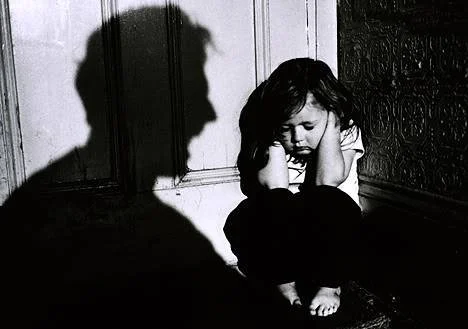
Childhood trauma can follow us well into adulthood. As a child as young as an infant to being a hormonal teen, many youth have witnessed or experienced traumatic events and, depending on our circumstances growing up — whether we lived in a nice middle-class neighborhood, a mobile home, or from place to place — we may not have received the proper guidance and trauma therapy. Therefore, we have entered into adulthood and all it has to offer without slaying the dragon of our childhood trauma.
The effects of unprocessed childhood trauma can lead into our adult lives, impacting our relationships with others, what we view as safe vs. dangerous, and how we truly think of ourselves. As a survivor of childhood trauma, you often learn that what you got used to or thought was "normal" wasn't. Sometimes you grow up and have abandonment issues and feel like no one can be trusted. Unfortunately, those individuals may think of themselves as not being worthy of a relationship that provides genuine love and care because of what they have experienced. If you carry those limiting beliefs into your adult life, it can impact who you select — or don't select — to be in your inner circle.
However, if you start recognizing those cognitive distortions, healing from childhood trauma can take place. Those who witness or experience trauma are not "doomed" by their past but can be affected in ways that might not be apparent to the naked eye.
Here are four common ways unhealed childhood trauma can show up in adult relationships:
Seeking Approval
Sometimes a trauma survivor may seek approval from others, and in doing so might lose part of their identity in the process. Let's say that little Claire grew up in a household where domestic violence took place, but to others she seemed perfect because she was getting straight A's on her report card, always stayed late after school to help others, and seemed outgoing. When Claire becomes an adult, it can translate in her life as being a people-pleaser — a hard worker in her office and volunteering to help out to gain approval from others like she did so in school, while avoiding her home life. This people-pleasing pattern is a common trauma response, and Claire may have traits that show that her identity is lost in the fact that she wants to gain approval from others because that brought joy into her life when home wasn't good.
Startled Easily
If you grew up taking any criticism and feared others rejecting you as a child, then that fear of rejection may overlap into your adult relationships as well. If Johnny always got critiqued by his parents for not scoring the most points in a game or not doing the drills correctly to get him into a good school on a scholarship, then that may translate to him reacting negatively to an employer who has a new method of correcting an employee to help produce better results. Hyper-vigilance — a hallmark symptom of trauma — can make a survivor see criticism as "my boss doesn't value me and my job could be on the line," when that isn't what they are thinking at all.
Pity vs. Love
Without being aware, sometimes we can see those who may need to be "rescued" by pitying them and wanting to love them as we would have wanted. Some may seek out those who feel they are in similar situations they were once in and want to "fix" what could have been an outcome. For example, if Morgan witnessed her mother being an alcoholic parent and the constant push and pull of the marriage between her father, then she may gravitate towards being in a similar atmosphere she grew up in. This trauma reenactment — repeating familiar patterns from childhood — is a well-documented effect of growing up in a dysfunctional family.
Viewpoint of a Victim
Many children who have witnessed or experienced circumstances amongst their parents or loved ones that portrayed them in a light of being "a victim" can overlap into how a child interacts with others as an adult. If Michael was in a home where his mother was always "the victim" in any situation and had anger outbursts which led to mistreating her children, then that is what is modeled for them. If Michael is not careful, he may have an underdeveloped sense of responsibility when it comes to taking accountability for his actions and playing the "victim card" in relationships in any capacity. The dragon of childhood trauma may start out as a little creature from Dragon Tales we saw as children on the screen, but can become a monster that is hard to tame
As a trauma therapist, I have seen clients carry these themes in their relationships and life without knowing where it really came from. The good news is that childhood trauma therapy can help you identify these patterns, understand their roots, and develop healthier ways of relating to yourself and others. Just know that what you endured as a child, someone is here to help you. Whether you are still a teen, young adult, or in your forties, we are here for you.
And if you are interested in learning more about therapy services and how a trained trauma-informed therapist may be able to equip you with skills to manage anxiety, depression, trauma, PTSD, addiction, and more, Lexi is more than willing to meet with you in-person or via telehealth therapy services at our Waxahachie, TX based therapy office. Ready to tackle some of the lingering monsters in your closet from childhood? I'd love to help. Healing from childhood trauma is possible, and you don't have to do it alone. Reach out to Lexi Eller, LCSW-S at lexi@emberlighthousewellness.com or 972-333-3870 (text or call) to book an appointment.
— Lexi Eller, LCSW-S
Ember & Lighthouse Wellness | Waxahachie, TX
Trauma Therapy • First Responders • Veterans • EMDR • ART • Texas